What Does It Mean to Be an Intuitive Eating Dietitian?
In a world filled with food rules, “clean eating” trends, and conflicting nutrition advice, many people feel exhausted and disconnected from their bodies. An intuitive eating dietitian offers a different approach — one rooted in trust, flexibility, nourishment, and healing rather than restriction and shame.
But what exactly does that mean?
Intuitive Eating Is More Than “Eat Whatever You Want”
One of the biggest misconceptions about intuitive eating is that it means eating without structure or nutrition awareness. In reality, intuitive eating is an evidence-based framework that helps individuals rebuild trust with their bodies after years of dieting, food rules, or disordered eating patterns.
An intuitive eating dietitian helps clients learn how to:
Recognize hunger and fullness cues
Make peace with all foods
Reduce guilt and anxiety around eating
Understand emotional eating with compassion
Nourish their body consistently
Move away from chronic dieting
Improve body trust and body image
Honor both physical health and mental well-being
The goal is not perfection — it’s creating a sustainable and peaceful relationship with food.
An Intuitive Eating Dietitian Looks Beyond Calories and Weight
Traditional dieting often focuses heavily on numbers: calories, macros, weight, BMI, or “good” versus “bad” foods. An intuitive eating dietitian takes a more holistic view.
That means considering:
Your relationship with food
Medical history
Lifestyle and stress levels
Access to food and support
Cultural preferences
Past dieting experiences
Exercise relationship
Recovery from eating disorders or disordered eating
Rather than prescribing rigid meal plans or strict food rules, intuitive eating dietitians collaborate with clients to create individualized, realistic support.
Gentle Nutrition Still Matters
A common myth is that intuitive eating ignores nutrition. In reality, nutrition absolutely matters — but it’s approached without fear, rigidity, or punishment.
An intuitive eating dietitian helps clients understand nutrition in a balanced and sustainable way. Instead of asking:
“How can I eat less?”
they may ask:“How can I feel more satisfied?”
“Am I eating consistently enough?”
“What foods help me feel energized?”
“How can I add nourishment without restriction?”
Nutrition education becomes empowering instead of overwhelming.
Intuitive Eating Often Includes Healing Your Relationship With Movement
Many people have learned to view exercise as punishment or something that must be “earned” through food. Intuitive eating dietitians often help clients reconnect with movement in a more supportive way.
This may involve:
Learning to fuel exercise adequately
Letting go of all-or-nothing fitness habits
Reducing compulsive exercise behaviors
Respecting rest and recovery
Finding movement that supports mental and physical health
The focus shifts from burning calories to caring for the body.
Who Can Benefit From Working With an Intuitive Eating Dietitian?
Intuitive eating support can benefit many people, especially those who:
Feel trapped in cycles of dieting
Constantly think about food
Experience guilt after eating
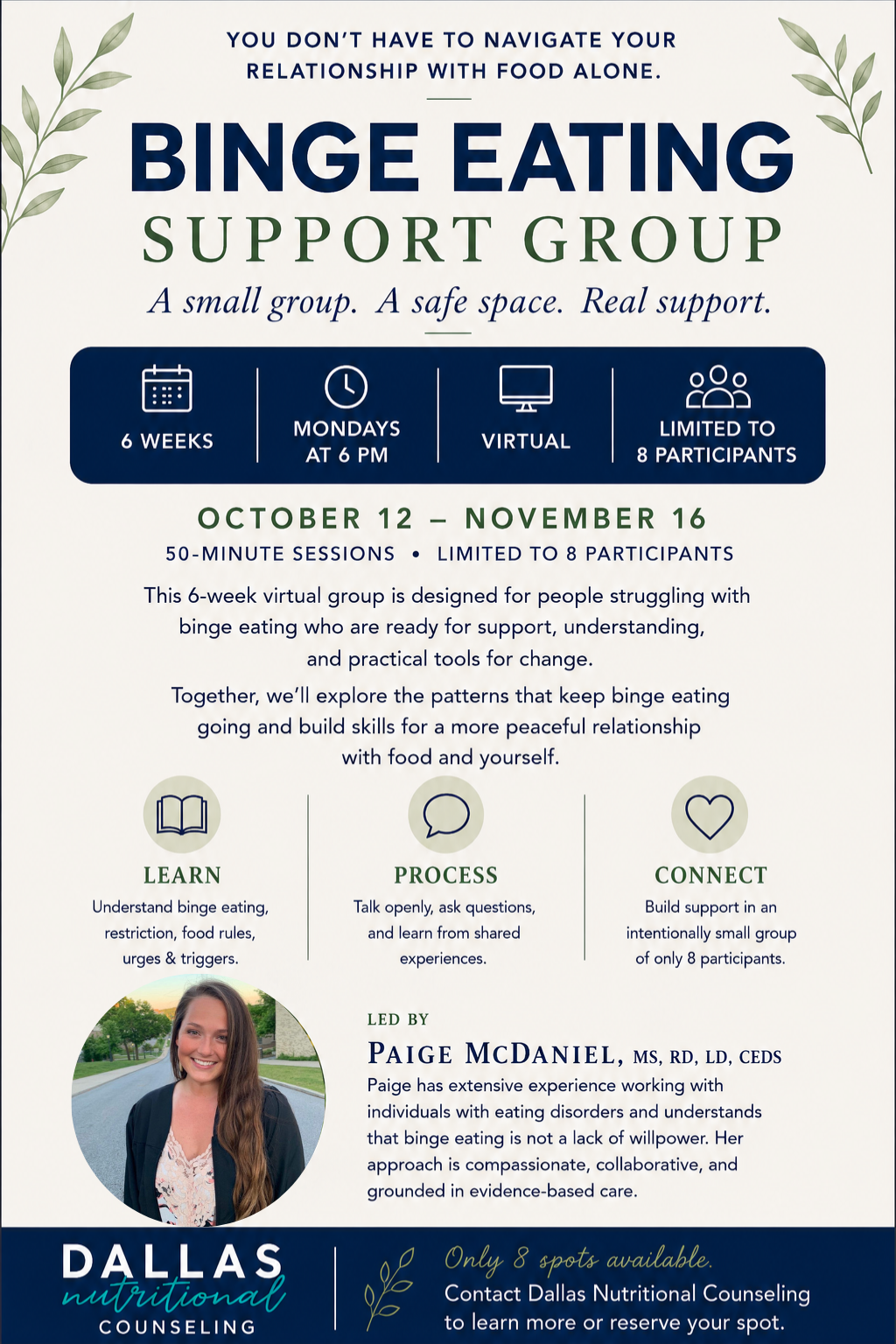
Struggle with binge eating or emotional eating
Have a history of disordered eating or eating disorders
Feel disconnected from hunger/fullness cues
Want a healthier relationship with food and body image
Are tired of “starting over” every Monday
Many clients come to intuitive eating after years — sometimes decades — of trying to control food and weight without finding peace.
Intuitive Eating Is Not “Giving Up”
Choosing intuitive eating does not mean giving up on health. It means redefining health in a more compassionate, realistic, and sustainable way.
An intuitive eating dietitian helps clients move away from shame-based behaviors and toward long-term well-being. Often, clients discover:
Less obsession with food
More consistent eating patterns
Improved energy levels
Reduced anxiety around meals
Greater body trust
More freedom in social situations
Better emotional well-being
Healing your relationship with food can create space for a fuller, more present life.
Final Thoughts
Being an intuitive eating dietitian means helping people reconnect with their bodies after years of external food rules and pressure. It means offering nutrition care that is compassionate, evidence-based, individualized, and free from judgment.
Food was never meant to control your life. Working with an intuitive eating dietitian can help you rediscover flexibility, nourishment, and trust — both in food and in yourself.

We are thrilled to welcome Chef Nichole Jagger to the Dallas Nutritional Counseling team. Chef Nichole will be working with our new family nutrition division, Feed Yourself & Your Family.