Dietary Fat: Why Your Body Needs It and Where to Find It
For years, dietary fat was unfairly labeled as something to avoid. Many people grew up hearing that eating fat would make them gain weight or negatively impact their health. Today, we know that dietary fat is an essential nutrient that plays a critical role in nearly every system of the body.
In fact, consuming adequate amounts of fat is important for energy, hormone production, brain health, nutrient absorption, and overall well-being. Rather than fearing fat, it’s helpful to understand what foods contain fat and how this powerful nutrient supports your body.
What Is Dietary Fat?
Dietary fat is one of the three macronutrients, along with carbohydrates and protein. It provides the body with energy and serves as a building block for many important functions.
Foods That Contain Dietary Fat
Many nutritious foods naturally contain fat. Some examples include:
Plant-Based Sources
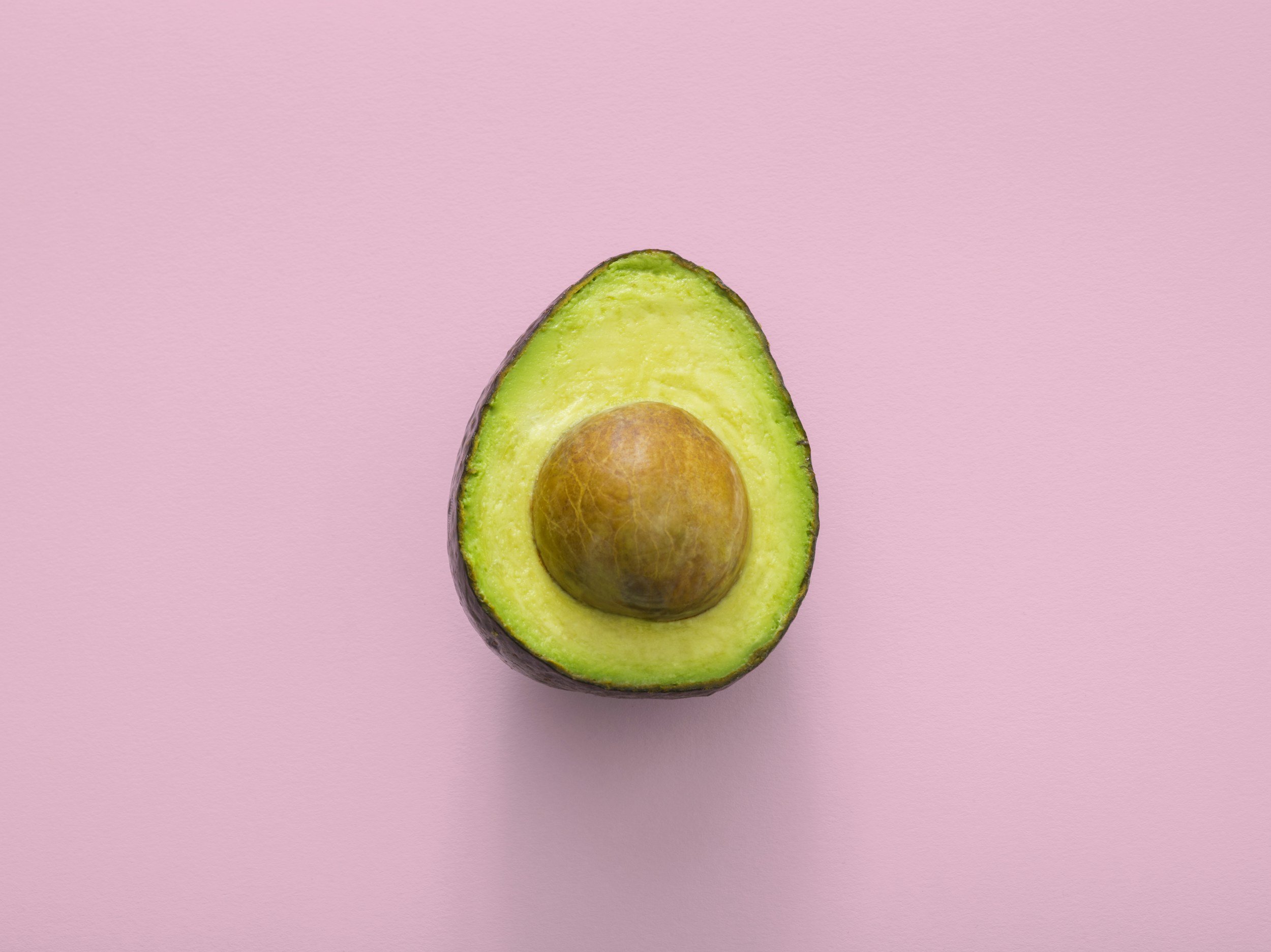
Avocados
Nuts (almonds, walnuts, cashews, pistachios)
Nut butters
Seeds (chia, flax, pumpkin, sunflower)
Olive oil
Avocado oil
Olives
Animal-Based Sources
Salmon and other fatty fish
Eggs
Cheese
Whole milk and yogurt
Butter
Meat and poultry
Other Sources
Dark chocolate
Coconut products
Salad dressings
Sauces and spreads
Many foods contain a combination of fats, carbohydrates, and protein. For example, nuts provide healthy fats along with protein and fiber, making them a satisfying and nourishing snack.
What Does Fat Do for the Body?
1. Supports Hormone Production
Fat is essential for producing hormones, including estrogen, progesterone, and testosterone. Consistently eating too little fat may negatively impact hormone balance, menstrual cycles, fertility, energy levels, and overall health.
2. Helps You Absorb Important Vitamins
Certain vitamins are fat-soluble, meaning they require dietary fat for absorption. These include:
Vitamin A
Vitamin D
Vitamin E
Vitamin K
Without adequate fat intake, your body may have difficulty fully utilizing these important nutrients.
3. Promotes Brain Health
The brain is composed largely of fat and relies on fatty acids for proper function. Adequate fat intake supports memory, concentration, mood regulation, and cognitive performance.
Omega-3 fatty acids, found in foods like salmon, walnuts, and flax seeds, are particularly important for brain health.
4. Provides Long-Lasting Energy
Fat serves as a concentrated energy source and helps fuel the body during lower-intensity activities and periods between meals. Including fat with meals can help create sustained energy throughout the day.
5. Supports Cell Function
Every cell in your body contains a membrane made largely from fat. These membranes help cells communicate, transport nutrients, and function properly.
6. Protects Organs and Provides Insulation
Fat cushions vital organs and helps regulate body temperature. It acts as a protective layer that supports normal physical functioning.
7. Increases Satisfaction After Meals
Fat contributes to the taste, texture, and satisfaction of food. Including fat in meals can help you feel more content and satisfied, which may reduce the urge to constantly snack or search for something “more” after eating.
Are Some Fats Better Than Others?
All fats can fit into a balanced eating pattern. However, some fats provide additional health benefits.
Foods rich in unsaturated fats include:
Avocados
Olive oil
Nuts and seeds
Fatty fish
These fats have been associated with heart health, reduced inflammation, and improved cholesterol levels.
At the same time, foods containing saturated fat—such as dairy products, meat, butter, and baked goods—can also be enjoyed as part of a varied and flexible approach to eating.
Rather than focusing on eliminating certain fats, consider prioritizing variety and overall dietary balance.
The Bottom Line
Dietary fat is not something to fear—it’s something your body needs. From hormone production and brain health to nutrient absorption and meal satisfaction, fat plays a vital role in supporting overall health.
Including a variety of fat-containing foods throughout the day can help promote energy, nourishment, and a more satisfying relationship with food. Whether it’s avocado on toast, salmon at dinner, peanut butter with a snack, or olive oil on a salad, dietary fat is an important part of a well-rounded eating pattern.