Intuitive Eating Counseling in Dallas
Build a More Peaceful Relationship With Food
What if eating didn't require so much thought?
If you've spent years dieting, following food rules, trying to eat “perfectly,” or questioning whether you can trust yourself around food, it can be difficult to imagine another way.
At Dallas Nutritional Counseling, our registered dietitians provide individualized Intuitive Eating counseling to help you step away from rigid rules and develop a more flexible, trusting, and sustainable relationship with food.
This isn't another diet with a different set of rules and it isn't about abandoning nutrition or simply eating whatever you want whenever you want it. It's about learning to understand your body, your eating patterns, your nutritional needs, and the many things that influence how and why you eat.
What Is Intuitive Eating?
Intuitive Eating is an evidence-based, non-diet framework developed by dietitians Evelyn Tribole and Elyse Resch. It offers an alternative to dieting by helping individuals reconnect with internal cues while considering satisfaction, nutrition, health, and their lived experience.
But becoming an intuitive eater isn't as simple as being told to “listen to your body.”
Years of dieting, food rules, inconsistent eating, stress, medical conditions, medications, neurodivergence, exercise, schedules, and other factors can all influence hunger, fullness, cravings, and eating behaviors.
Our job is to help you understand those influences and learn how to respond to your body with greater flexibility rather than replacing one rigid set of food rules with another.
Intuitive Eating Counseling May Be a Good Fit If...
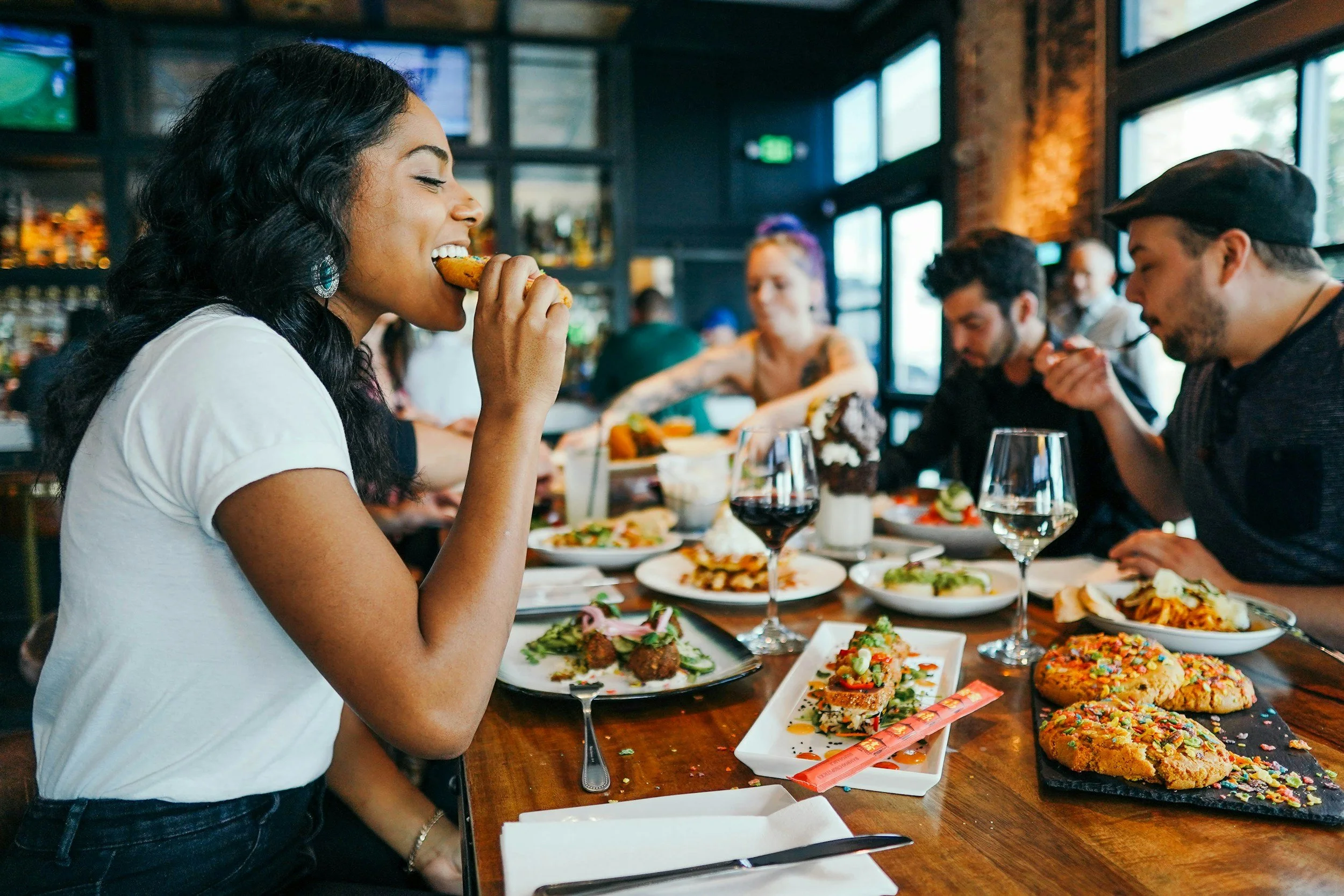
You may benefit from Intuitive Eating counseling if you:
Feel like you're constantly thinking about food
Have spent years cycling through diets or wellness plans
Label foods as “good,” “bad,” “healthy,” or “unhealthy”
Feel guilt or anxiety after eating certain foods
Feel out of control around foods you normally restrict
Frequently start over with eating on Monday, after vacation, or after a “bad” day
Have difficulty recognizing or trusting hunger and fullness
Use exercise to compensate for eating
Find that nutrition information has made eating more confusing rather than less
Want to care for your health without dieting
Understand the idea of Intuitive Eating but have trouble actually putting it into practice
You don't need to have a diagnosed eating disorder to struggle with your relationship with food.
Knowing the Principles and Living Them Are Two Different Things
Many people come to us after reading about Intuitive Eating, listening to podcasts, following non-diet accounts, or even reading the Intuitive Eating book. They understand the concepts. Putting them into practice is harder.
You may intellectually believe that all foods can fit and still feel anxious when you eat dessert. You may understand that restriction can increase cravings but still feel compelled to compensate after eating more than you planned. You may want to honor your hunger but struggle to recognize it—or worry about what will happen if you actually respond to it.
That's where individualized counseling can help. Rather than simply teaching the principles of Intuitive Eating, we help you understand how they apply to you.
We Get Curious About What's Happening Around Food
Changing your relationship with food often starts with understanding it.
Instead of labeling an eating experience as “good” or “bad,” we help you step back and look at what happened.
Were you physically hungry? Had you eaten enough earlier in the day? Were you stressed, distracted, lonely, bored, tired, or overwhelmed? Were you eating something you rarely allow yourself to have? Did a food rule influence what you chose? Did your schedule make eating difficult? Were you actually satisfied by what you ate?
The goal isn't to analyze every bite. It's to become more aware of patterns so that food choices can become less reactive and more intentional over time. This curiosity can replace judgment with useful information.
Intuitive Eating Doesn't Mean Ignoring Nutrition
One of the biggest misconceptions about Intuitive Eating is that nutrition no longer matters. It does. As registered dietitians, we bring nutrition science into the conversation while helping you move away from rigid or fear-based approaches to eating.
Sometimes your body may ask for something that sounds different from what nutrition knowledge suggests. Sometimes medical needs, activity, medications, schedules, or other circumstances mean you need to eat even when hunger cues aren't obvious.
Intuitive Eating allows room for both.
We can help you learn to consider hunger, fullness, satisfaction, nutrition, health, practicality, preferences, and your circumstances without turning those considerations into another set of rules you have to follow perfectly.
What Might We Work On Together?
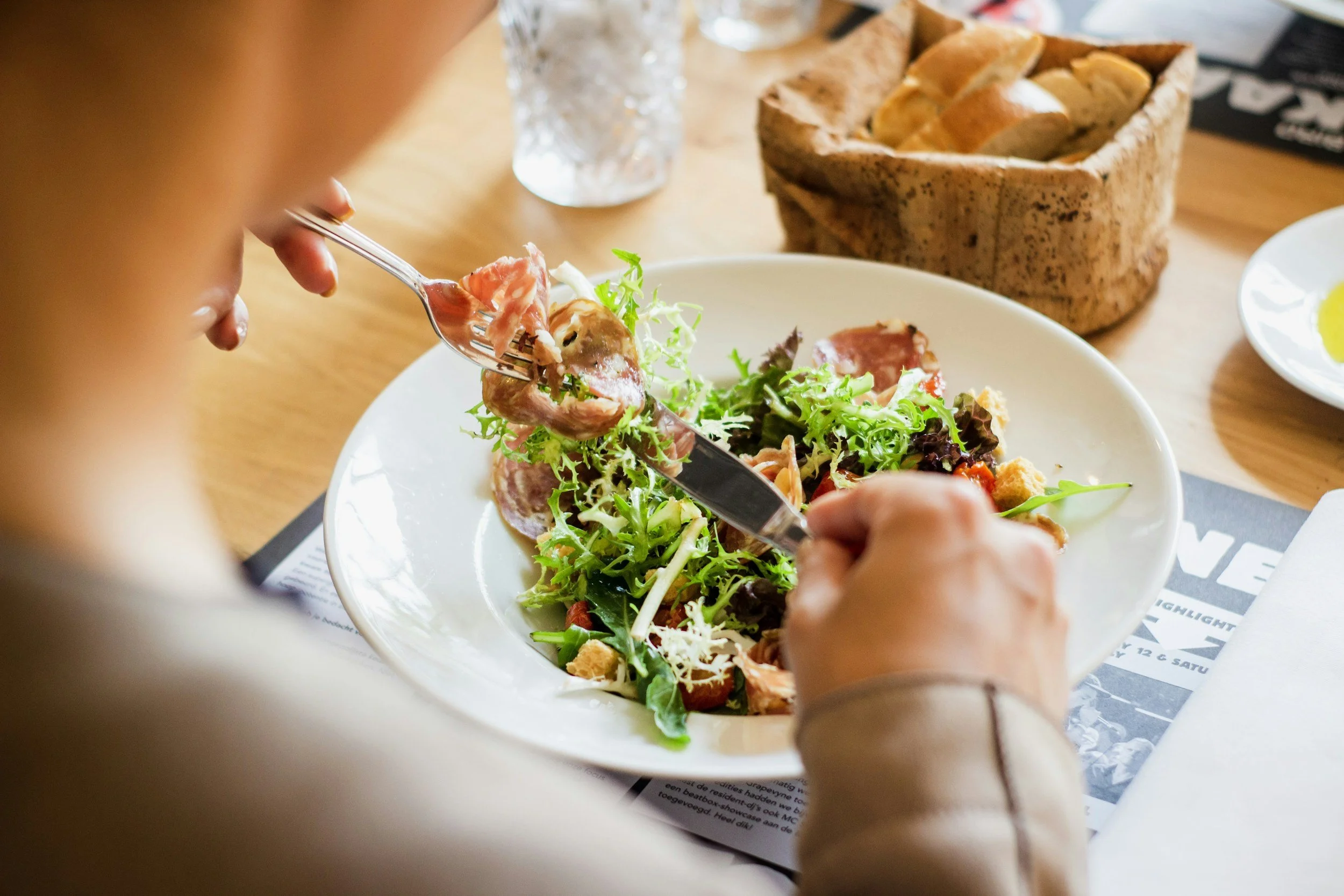
Intuitive Eating counseling is individualized, but our work may include:
Identifying and challenging food rules
Understanding the effects of restriction and dieting
Relearning hunger and fullness cues
Eating more consistently
Increasing permission and flexibility around food
Reducing guilt and anxiety around eating
Exploring satisfaction and pleasure with food
Understanding emotional eating without judgment
Recognizing patterns and triggers around eating
Navigating eating in restaurants, on vacation, at work, and in social situations
Separating movement from compensation or punishment
Practicing gentle nutrition without returning to rigid rules
Navigating body image concerns and changes
Learning to make food decisions with more confidence
The goal isn't to become a “perfect” intuitive eater. The goal is for food to take up less space in your life.
What About Emotional Eating?
Eating for emotional reasons is part of being human. Food can provide comfort, connection, pleasure, celebration, nostalgia, and distraction. Intuitive Eating doesn't require eliminating emotional eating. Instead, we can help you become more curious about it.
What are you feeling? What do you need? Is food helping? Is there something else that might help too? Are you actually eating emotionally—or are you physically hungry after unintentionally restricting throughout the day?
Understanding the difference can be much more useful than simply trying to stop the behavior.
When appropriate, the connections you identify in nutrition counseling can also become valuable areas to explore more deeply with your therapist.
Intuitive Eating and Body Image
It can be difficult to change your relationship with food without also encountering thoughts and feelings about your body.
Our work may include exploring how body image influences eating decisions, recognizing behaviors that reinforce body dissatisfaction, navigating body changes, and finding ways to care for your body even on days when you don't feel positively about it.
The goal does not have to be loving your body every day.
For many people, developing greater respect, neutrality, flexibility, and compassion toward their body is a more realistic—and more helpful—place to begin.
Is Intuitive Eating Appropriate During Eating Disorder Recovery?
Intuitive Eating principles can be valuable in eating disorder recovery, but timing matters.
An active eating disorder can disrupt hunger, fullness, and other internal cues. In some stages of recovery, relying primarily on those cues may not provide enough nutrition or structure.
If you're experiencing an eating disorder or significant disordered eating, our dietitians can help determine whether Intuitive Eating counseling is appropriate for you right now or whether more structured eating disorder nutrition support would be a better place to start.
Ready to Make Food Feel Less Complicated?
You don't need to become better at following food rules.
You can learn to understand your body, respond to your needs with greater flexibility, and make food decisions without every choice feeling like a test you can pass or fail.
If you're ready to explore a different relationship with food, we're here to help.